


What is physical balance?
Components of Physical Balance:
* Vestibular System: Located in the inner ear, this system senses head movements and changes in orientation, providing information about gravity and motion.
* Visual System: Your eyes provide visual input about your surroundings and your position relative to them.
* Proprioceptive System: Sensors in your muscles, tendons, and joints tell your brain about your body's position and movement.
* Somatosensory System: This system receives information from your skin about pressure, touch, and pain, contributing to balance.
* Motor System: Your brain coordinates the activity of your muscles to maintain balance and control movement.
hvordan det fungerer:
1. Sensory Input: All the systems above gather information about your body's position and movement.
2. Integration: The brain receives and interprets this information, integrating it from various sources.
3. Motor Output: The brain sends signals to your muscles, allowing you to adjust your posture and movements to maintain stability.
Importance of Physical Balance:
* stabilitet: Good balance helps you maintain a stable upright posture, preventing falls.
* Bevægelse: Det giver dig mulighed for at bevæge dig glat og effektivt, uanset om du går, kører eller udfører mere komplekse opgaver.
* Koordinering: It plays a vital role in coordinating movements, especially for activities like sports or dancing.
* Safety: Balance is crucial for preventing falls, particularly in older adults who are more susceptible to age-related balance issues.
Factors Affecting Balance:
* Alder: Balance naturally declines with age.
* Sundhedsmæssige forhold: Certain conditions like neurological disorders, inner ear problems, or injuries can impair balance.
* medicin: Nogle medicin kan påvirke balance og koordinering.
* alkohol og stoffer: Rusmidler kan forringe balancen markant.
* Miljø: Glatte overflader, ujævnt terræn eller dårlig belysning kan gøre det sværere at opretholde balance.
Forbedring af fysisk balance:
* Øvelse: Aktiviteter som yoga, tai chi og balanceøvelser kan forbedre balance og koordinering.
* Regelmæssig fysisk aktivitet: At forblive fysisk aktiv hjælper generelt med at forbedre balancen og den samlede kondition.
* Korrekt fodtøj: Bær sko, der giver god støtte og greb.
* adressering af underliggende forhold: Hvis en medicinsk tilstand påvirker balance, er det vigtigt at søge professionel hjælp.
Ved at forstå mekanikken i fysisk balance og tage skridt til at forbedre den, kan du forbedre din stabilitet, bevægelse og generelle velvære.
 Varme artikler
-
 Fusionseksperter tager fat på kølestrategier for fusionsbrændselscyklusEt hold af fusionsforskere og ingeniører står foran ORNLs Helium Flow Loop-enhed. Fra venstre til højre foran:Chris Crawford, Fayaz Rasheed, Joy Fan, Michael Morrow, Charles Kessel, Adam Carroll og Co
 -
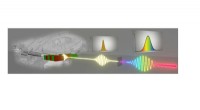 Ikke-lineær optik møder røntgenstrålerEt illustrativt scenario med den observerede effekt er vist. Pulserne med en subpicosekund-varighed, der pulseres i den bløde røntgenstråle genereret fra FERMI@elettra, interagerer med en submikrometr
 -
 Hvordan de amerikanske brintbombehemmeligheder forsvandtKredit:CC0 Public Domain Givet et valg af ting at miste på et tog, et tophemmeligt dokument med detaljer om den nyudviklede brintbombe skulle stå nederst på listen. I januar 1953, midt i den røde
 -
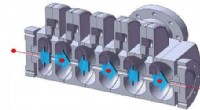 Lille højspændings transmissionselektronmikroskop bygget i JapanKredit:T. Sannomiya et al., Fys. Lett. (2019) Et team af forskere tilknyttet flere institutioner i Japan har bygget et højspændings transmissionselektronmikroskop, der er lille nok til at opholde s
- Eksitoniske mørke tilstande kaster lys på TMDC-atomlag
- Uddybende spørgsmål:Hvad gør en sang fængende?
- Tennessee State University tilbyder kodningsklasser i Afrika
- Undersøgelse af tæt på en halv million fodboldfans viser, hvordan gruppeidentitet former adfærd
- Hvilken metode bruger densitetsforskelle i klipper til at fortolke strukturer under jorden?
- Nanowiggles:Forskere opdager grafen nanomaterialer med justerbar funktionalitet i elektronik